
Is a Stage 1 Remap Safe for Your Car? Let's Talk Facts.
19 October 2026
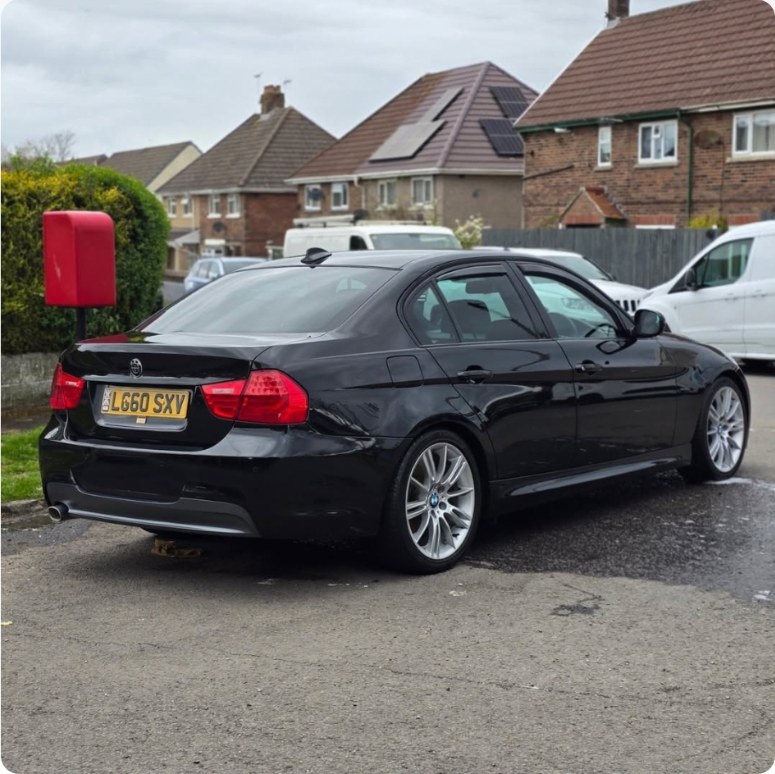
As a technician working on vehicles across Cardiff, Newport, Swansea, Bridgend, and the wider South Wales area, one of the most common questions I get asked about ECU remapping is, "Is a Stage 1 remap safe for my car?" It's a valid concern, and one that deserves a clear, no-nonsense answer from someone who actually does the work.
The short answer is: yes, a professionally executed Stage 1 remap, when performed on a well-maintained vehicle, is generally safe. However, the 'professionally executed' and 'well-maintained vehicle' parts are crucial, and that's where the details matter.
What is a Stage 1 Remap and Why is it Considered Safe?
A Stage 1 remap is designed to enhance your vehicle's performance by optimising the existing engine control unit (ECU) software. Unlike more aggressive modifications, a Stage 1 remap typically works within the original manufacturer's design parameters and tolerances. Most manufacturers build a significant margin of safety into their engines, often to account for varying fuel quality, climates, and driver habits across global markets. A Stage 1 map taps into some of this unused potential.
Here’s why it’s considered safe when done right:
- Optimisation, Not Overstretching: We're not pushing the engine beyond its mechanical limits. We're refining fuel delivery, ignition timing, and boost pressure (for turbocharged vehicles) to make the engine run more efficiently and powerfully within its designed capabilities.
- No Hardware Changes Required: A true Stage 1 remap doesn't require any physical modifications to your vehicle's engine, exhaust, or intake systems. It’s purely a software upgrade.
- Manufacturer Margins: As mentioned, engines are often detuned from the factory. A Stage 1 remap simply brings the performance closer to what the hardware is truly capable of, without exceeding the safety factors the engineers built in.
Our Process: Safety First in South Wales
When we perform a remap, safety is paramount. We follow a strict protocol to ensure your vehicle is handled correctly, right here at your home or workplace in South Wales:
- Initial Diagnostics: Before touching any software, we run comprehensive diagnostics. This checks for any existing fault codes or underlying issues that could compromise the remapping process or the engine's health. If we find anything, we'll discuss it with you before proceeding.
- Vehicle Health Check: We also perform a visual and functional check of the vehicle to ensure it's in good working order. A healthy engine is a safe engine for remapping.
- ECU Identification & Original File Backup: We accurately identify your vehicle’s ECU. The very first step in the programming process is always to read and save your vehicle's original software file. This is crucial as it means your vehicle can always be returned to its standard factory settings if ever required.
- Careful Programming: Depending on your vehicle's make and model, we use the appropriate method: OBD (On-Board Diagnostics) port, bench programming (requiring ECU removal), or boot mode. Our equipment and software are up-to-date and reliable.
- Post-Remap Check: Once the new software is written, we conduct another diagnostic scan and check the vehicle's running parameters to ensure everything is operating as expected.
We provide mobile ECU remapping services across a wide area, including Cardiff (CF10, CF11, CF14, CF15, CF23, CF24, CF3, CF30, CF31, CF32, CF33, CF34, CF35, CF36, CF37, CF38, CF39, CF40, CF41, CF42, CF43, CF44, CF45, CF46, CF47, CF48, CF5, CF61, CF62, CF63, CF64, CF71, CF72, CF81, CF82, CF83, CF91, CF95, CF99), Newport (NP10, NP11, NP12, NP13, NP14, NP15, NP16, NP17, NP18, NP19, NP20, NP23, NP24, NP25, NP26, NP4, NP44, NP7, NP8), and Swansea (SA1, SA10, SA11, SA12, SA13, SA14, SA15, SA16, SA17, SA18, SA2, SA3, SA4, SA5, SA6, SA7, SA8, SA80, SA9, SA99).
What Affects Remap Safety?
While a Stage 1 remap is generally safe, several factors can influence this:
- Vehicle Condition: This is probably the biggest factor. An engine with existing mechanical issues (e.g., worn turbo, faulty injectors, poor maintenance) will not react well to increased demands, regardless of how conservative the map is. A remap won't fix underlying problems; it will often highlight them.
- Quality of the Remap File: There are many generic, untested files circulating online. We use reputable, custom-developed software designed for specific engine codes. A poorly written file can lead to engine stress, reduced longevity, and even failure.
- Technician Expertise: The person performing the remap needs to know what they're doing. Understanding the different programming methods (OBD, bench, boot) and how to handle potential issues is critical.
- Post-Remap Maintenance: Your vehicle will be working a little harder, so sticking to its service schedule, using quality fuels, and generally looking after it becomes even more important.
- Fuel Quality: We always recommend using good quality fuel, especially for turbocharged engines, as this helps prevent detonation and ensures the engine can safely achieve the mapped power and torque.
Estimated Gains vs. Reality
It's important to remember that all power and torque figures we quote are estimates based on your specific engine version. These figures can vary based on your vehicle's individual condition, the fuel you use, and any existing hardware modifications. We never promise exact figures on the day because every car is unique. Our aim is safe, reliable, and noticeable improvements.
For example, you can see our remapping services here and check estimated gains for your specific make and model. We offer a fixed price of £265 for a Stage 1 remap, with optional extras available at £20 each.
The Legal Bit: Responsibility and Compliance
While a Stage 1 remap typically doesn't involve altering emissions hardware, it's worth noting that any modification to your vehicle, including software changes, means the customer is responsible for ensuring road-use, emissions, and MOT compliance. Optional calibration features are not available on every ECU or vehicle, and we will advise you on what is possible.
Ready to Learn More or Book Your Remap?
If you're in Cardiff, Newport, Swansea, Bridgend, or any of the surrounding areas and considering a Stage 1 remap, don't hesitate to get in touch. We're here to provide honest, technician-led advice and professional service.
Feel free to explore the potential gains for your vehicle and book a remap online at a fixed price. We cover many areas, including: Remapping in Cardiff, Barry, Caerphilly, Merthyr Tydfil, Pontypridd, and more across South Wales.
Real results from our own valets
 Before
 After
 Before
 After
Common questions
Will a Stage 1 remap void my car's warranty?
Yes, it is highly likely that an ECU remap will void your manufacturer's warranty. Manufacturers can detect software changes, and typically consider any modification to the ECU as a breach of their warranty terms. We always recommend checking with your dealership or insurance provider.
How long does a Stage 1 remap take?
A standard Stage 1 remap typically takes around 60-90 minutes from start to finish. This includes the initial diagnostics, backing up your original file, writing the new software, and a final check. We carry this out at your location in South Wales.
Can my car be returned to standard after a Stage 1 remap?
Absolutely. Before we write any new software, we always save your vehicle's original ECU file. This means we can return your car to its factory standard settings at any time, should you wish to do so.
Do I need to do anything to my car before a remap?
We recommend ensuring your vehicle is well-maintained and has no known faults. If you have any engine warning lights or suspect an issue, it's best to address it before considering a remap to ensure optimal and safe results.
Want this done for you?
We valet at your home or workplace across Cardiff, Bridgend and the Vale of Glamorgan.
Check availability